
Street Fighter Wiki
Street Fighter. Street Fighter is one of the best selling franchises, and it is owned by Capcom. There are over 80 titles in this series. The series has sold 45.88 million software units for home systems. It has also sold over 500,000 coin-op hardware units for arcades, including over 300,000 arcade units of Street Fighter II.
| Street Fighter | |
|---|---|
| Genre(s) | Fighting game |
| Developer(s) | Capcom |
| Publisher(s) | Capcom |
| Creator(s) | Takashi Nishiyama Hiroshi Matsumoto |
| Platform(s) |
|
| First release | Street Fighter August 30, 1987 |
| Latest release | Street Fighter V: Arcade Edition January 16, 2018[1] |
| Spin-offs | Final Fight series, crossover games, animated and live-action films and animated series, stage show, traditional games, manga, and comics |
Street Fighter (ストリートファイターSutorīto Faitā), commonly abbreviated as SF or スト (Suto), is a fighting video game franchise developed and published by Capcom. The first game in the series was released in 1987, followed by five other main series games, various spin-offs and crossovers, and numerous appearances in various other media. Its best-selling 1991 release Street Fighter II is credited with establishing many of the conventions of the one-on-one fighting genre. Street Fighter is one of the highest-grossing video game franchises of all time and serves as the company's flagship series.
- 1History
- 1.1Video games
- 1.2Other media
History[edit]
Video games[edit]
Street Fighter (1987)[edit]
Street Fighter, designed by Takashi Nishiyama and Hiroshi Matsumoto, debuted in arcades in 1987.[2][3] In this game, the player plays as martial artist Ryu, who competes in a worldwide martial arts tournament spanning five countries and 10 opponents. A second player can join in and plays as Ryu's American rival, Ken. The player can perform three punch and kick attacks, each varying in speed and strength, and three special attacks: the Hadouken, Shoryuken, and Tatsumaki Senpukyaku, performed by executing special button combinations.[4]
Street Fighter was ported to many popular home computer systems of the time, like the PC. In 1988, it was released on the NEC Avenue TurboGrafx-CD console as Fighting Street.[5]Street Fighter was also later included in Capcom Classics Collection: Remixed for the PlayStation Portable and Capcom Classics Collection Vol. 2 for the PlayStation 2 and Xbox.
Street Fighter II (1991)[edit]
Street Fighter II: The World Warrior was released in 1991 following an unsuccessful attempt to brand the 1989 beat 'em up game Final Fight and the officially commissioned spin-off Human Killing Machine as Street Fighter sequels.[6][7] It was one of the earliest arcade games for Capcom's CP System hardware and was designed by Akira Nishitani and Akira Yasuda, who also made Final Fight and Forgotten Worlds.[8]
Street Fighter II was the first one-on-one fighting game to give players a choice from a variety of player characters with different moves, allowing for more varied matches. Each player character had a unique fighting style with approximately 30 or more moves, including then-new grappling moves and throws, as well as two or three special attacks. In the single-player mode, the player character is pitted sequentially against the seven other main characters before confronting the final four boss opponents, who consist of CPU-controlled characters not selectable by the player. As in the original, a second player could join in at any point during single player mode and compete against the other player in competitive matches.
The original Japanese version of Street Fighter II introduced an African-American boxerboss character that shared the physical characteristics and likeness of real-life boxer Mike Tyson. To avoid a likeness infringement lawsuit, Capcom rotated the names of three of the boss characters for international versions of the game.[9]The final boss, named Vega in the Japanese version, was given the M. 7.1 surround sound test download. Bison name, the talon-wielding Spanish warrior, named Balrog in the Japanese version, was renamed Vega, and the boxer became Balrog.
Street Fighter II eclipsed its predecessor in popularity, eventually turning Street Fighter into a multimediafranchise.[10] The release of the game had an unexpected impact on gaming and was the beginning of a massive phenomenon. Various versions of the game grossed over $10 billion in inflation-adjusted revenue (2017), mostly from arcades,[11] as well as from console ports which sold more than 14 million cartridges for the Super Nintendo Entertainment System (Super NES) and Sega Genesis/Mega Drive.[12]
The first official update to the series was Street Fighter II': Champion Edition, pronounced Street Fighter II Dash in Japan, as noted by the prime notation on the logo. In this game, players can play as the four computer-controlled boss characters and two players can choose the same character, leaving one character with an alternate color pattern. The game also features slightly improved graphics, including differently colored backgrounds and refined gameplay. A second upgrade, titled Street Fighter II' Turbo: Hyper Fighting, called Street Fighter II Dash Turbo in Japan, was produced in response to the various bootleg editions of the game. Hyper Fighting offers faster gameplay than its predecessors, different character costume colors, and new special techniques. Super Street Fighter II: The New Challengers, the third revision, gives the game a complete graphical and musical overhaul and introduces four new playable characters. It is also the first game for Capcom's CP System II arcade hardware. The fifth arcade installment, Super Street Fighter II Turbo, Super Street Fighter II X in Japan, brings back the faster gameplay of Hyper Fighting, a new type of special techniques known as 'Super Combos', and a hidden character, Akuma.
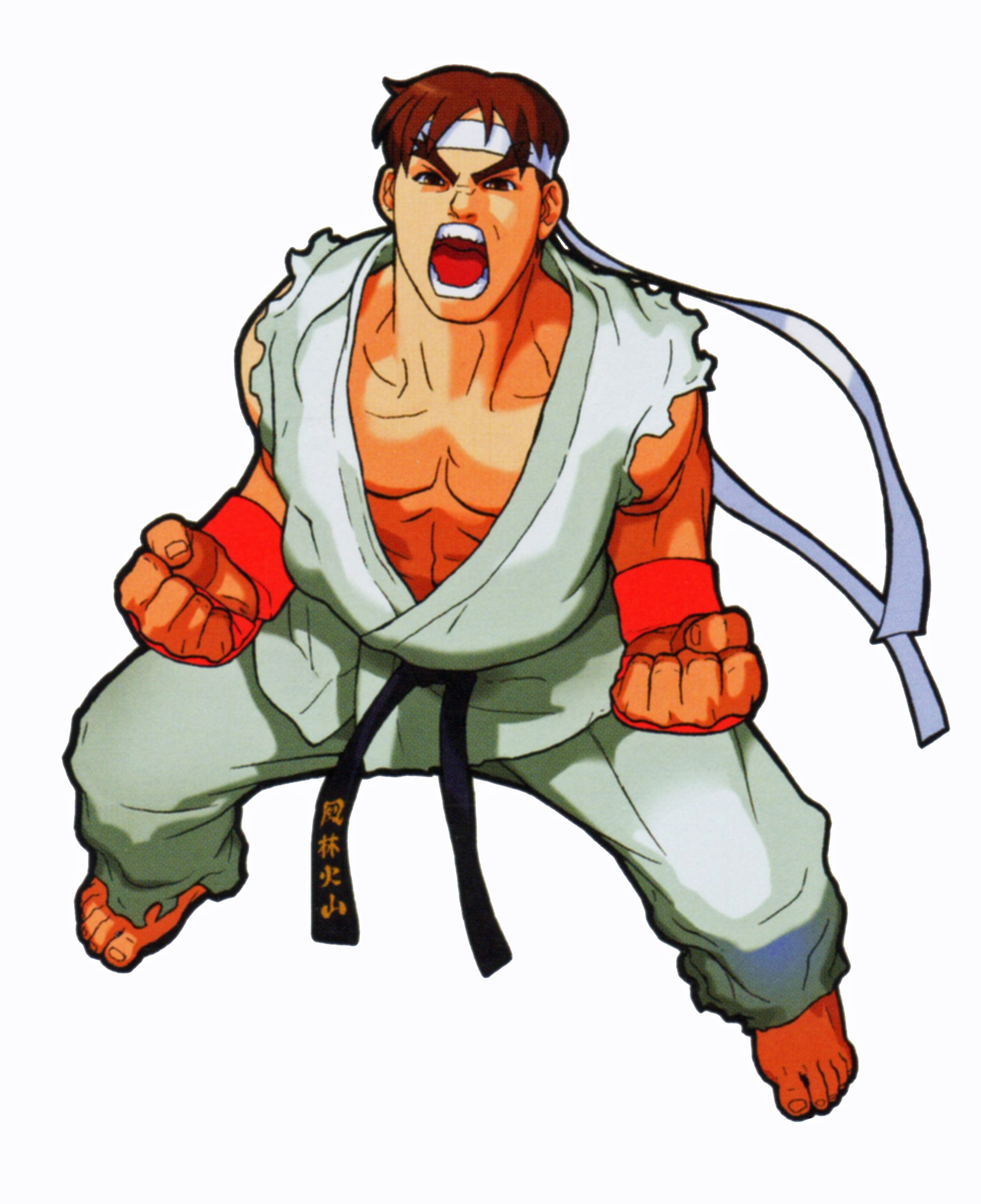
Numerous home versions of the Street Fighter II games have been produced following the release of the original game. The original version, Street Fighter II: The World Warrior, was ported to the Super NES in 1992. As of 2008, the original Super NES game is still Capcom's best-selling game.[12] It was followed by a Japanese-only port of Street Fighter II Dash for the PC Engine in 1993. That year, Hyper Fighting received two different home versions as well: a Super NES version titled Street Fighter II Turbo and a Mega Drive/Genesis counterpart titled Street Fighter II': Special Champion Edition, titled Street Fighter II Dash Plus in Japan. The following game, Super Street Fighter II, was also ported to the Super NES and Genesis in 1994. That same year, Super Street Fighter II Turbo was released for the 3DO Interactive Multiplayer and also appeared in a PC version for Windows, released by the now defunct GameTek.
In 1997, Capcom released the Street Fighter Collection for the PlayStation and Sega Saturn. This is a compilation that includes Super and Super Turbo as well as Street Fighter Alpha 2 Gold, titled Street Fighter Zero 2′ (Dash) in Japan, an updated version of Street Fighter Alpha 2. It was followed by Street Fighter Collection 2, titled Capcom Generation Vol. 5 in Japan, also released for the PlayStation and Saturn, which includes the original Street Fighter II, Champion Edition, and Hyper Fighting. In 2000, Capcom released Super Street Fighter II X for Matching Service exclusively in Japan for the Dreamcast. This version of the game features an online two-player versus mode. In 2003, Capcom released Hyper Street Fighter II: The Anniversary Edition for the arcades in Japan and Asia to commemorate the 15th anniversary of the series. As the final arcade installment, the game is a hybrid version of Super Turbo, which allows player to select between versions of characters from all five previous Street Fighter II games. Hyper was released in North America and the PAL region via its ports for the PlayStation 2 and the Xbox, released as part of the Street Fighter Anniversary Collection along with Street Fighter III: 3rd Strike. In 2005, the three games in Street Fighter Collection 2 were included in Capcom Classics Collection Vol. 1 for PlayStation 2 and Xbox. A version of Super Turbo, along with the original Street Fighter, was later included in the 2007 compilation Capcom Classics Collection Vol. 2, also released for the PlayStation 2 and Xbox. Street Fighter II and Super Street Fighter II are also available as downloadable games for select cellular phone services.
An updated version of Super Street Fighter II Turbo came to the PlayStation Network and Xbox Live Arcade services in 2008.[13] The game, titled Super Street Fighter II Turbo HD Remix, has fully redrawn artwork, including HD sprites 4.5x the original size, drawn by artists from UDON. This is the first time the Street Fighter characters have had new sprites, drawn by Capcom, since Capcom vs. SNK 2 in 2001. The game has several changes which address character balancing issues, but also features the original arcade version gameplay so that players can choose between the two.[14]
Ultra Street Fighter II: The Final Challengers is an updated version of 1994's Super Street Fighter II Turbo for the Nintendo Switch. The game features two graphical styles—classic pixel art and updated high-definition art. New gameplay mechanics and modes have been introduced and tweaks have been made to the game's balance. This game also featured two more characters, who were classic alternate evil form of the classic characters Ryu and Ken, Evil Ryu and Violent Ken, while Akuma is now a regular playable character.
Street Fighter Alpha (1995)[edit]
Street Fighter Alpha: Warriors' Dreams, titled Street Fighter Zero in Japan and Asia, is the next game in the series. The game uses the same character's designs Capcom previously employed in Darkstalkers and X-Men: Children of the Atom, with settings and character designs heavily influenced by Street Fighter II: The Animated Movie. Alpha expands on the Super Combo system from Super Turbo by extending Super Combo meter into three levels, allowing for super combos to be stored up, and introducing Alpha Counters and Chain Combos, also from Darkstalkers. The plot of Alpha is set between the first two Street Fighter games and fleshes out the backstories and grudges held by many of the classic Street Fighter II characters.[15] It features a playable roster of ten immediately playable characters and three unlockable fighters, comprising not only younger versions of established characters, but also characters from the original Street Fighter and Final Fight, such as Adon and Guy.
Street Fighter Alpha 2 features all-new stages, music, and endings for some characters, some of which overlap with those from the original Alpha.[16] It also discards the Chain Combo system in favor of Custom Combos, which requires a portion of the Super Combo meter to be used. Alpha 2 retains all 13 characters from the original and adds five new characters to the roster along with hidden versions of returning characters. Alpha 2 is followed by a slightly enhanced arcade release titled Street Fighter Zero 2 Alpha and was released in Japan and Brazil, ported to home consoles as Street Fighter Alpha 2 Gold, and Zero 2′ Dash in Japan.
The third and final Alpha game, Street Fighter Alpha 3, was released in 1998 following the release of the original Street Fighter III: 2nd Impact and Street Fighter EX. Alpha 3 introduces three selectable fighting styles and further expands the playable roster to 28 characters.[17] Console versions of the three games, including the original Alpha 2 and the aforementioned Alpha 2 Gold, were released for the PlayStation and Sega Saturn, although versions of specific games in the series were also released for the Game Boy Color, Super NES, Dreamcast, and Windows. The home console versions of Alpha 3 further expands the character roster by adding the remaining 'New Challengers' from Super Street Fighter II. The Dreamcast version of the game was backported to the arcades in Japan under the title of Street Fighter Zero 3 Upper. A version of Upper, simply titled Alpha 3 outside Japan, was released for the Game Boy Advance and added three characters from Capcom vs. SNK 2. A PlayStation Portable version titled Alpha 3 MAX, or Zero 3 Double Upper in Japan, contains the added characters from the GBA version and Ingrid from Capcom Fighting Jam.
Street Fighter EX (1996)[edit]
In 1996, Capcom co-produced a 3D fighting game Street Fighter EX with Arika, a company founded by Street Fighter II planner Akira Nishitani. It was developed for the PlayStation-based ZN-1 hardware. EX combined the established Street Fighter cast with original characters created and owned by Arika. It was followed by an upgraded version titled Street Fighter EX Plus in 1997, which expanded the character roster. A home version with additional features and characters, Street Fighter EX Plus Alpha, was released for the PlayStation during the same year.
A sequel was released in 1998, titled Street Fighter EX2, developed for the ZN-2 hardware. Custom combos were reintroduced and the character roster was expanded upon even further. In 1999, EX2 also received an upgraded version, Street Fighter EX2 Plus. A port of EX2 Plus was released for the PlayStation in 1999.
The third game in the series, Street Fighter EX3, was released as a launch title for the PlayStation 2 in 2000. This game included a tag team system, a mode that let a single player fight up to three opponents simultaneously, and another mode that allowed players to give the new character, Ace, a selection of special and super moves after purchasing them with experience points. The cast included many characters from the previous game.

Some of the Arika-owned characters from the series were later featured in other games developed by the company. The Namco-distributed arcade game Fighting Layer featured Allen Snider and Blair Dame from the original EX, while Skullomania would reappear in the PlayStation game Fighter Maker. A spiritual successor to Fighting Layer, featuring an initial roster consisting entirely of Arika-owned EX characters, Fighting EX Layer, was released in 2018.[18]
Crossover series (1996)[edit]
Capcom has also produced fighting games involving licensed characters from other companies and their own properties. In 1994, Capcom released the Marvel-licensed fighting game X-Men: Children of the Atom, which featured Akuma from Super Turbo as a hidden character. It was followed by Marvel Super Heroes in 1995, which featured Anita from Night Warriors.
Capcom would release a third Marvel-licensed game, X-Men vs. Street Fighter, in 1996, a full-fledged crossover between characters from X-Men and the Street Fighter Alpha games that featured a two-on-two tag team-based system. It was followed by Marvel Super Heroes vs. Street Fighter in 1997, which expanded the roster to include characters from Marvel Super Heroes; Marvel vs. Capcom in 1998, which featured not only Street Fighter characters, but also characters from other Capcom properties; and Marvel vs. Capcom 2 in 2000, which was produced from the Dreamcast-based NAOMI hardware.
Capcom also produced a series of similar crossover fighting games with rival fighting game developer SNK Playmore. The games, produced by Capcom, include Capcom vs. SNK in 2000, which features characters primarily from the Street Fighter and King of Fighters series. It was followed by a minor upgrade, Capcom vs. SNK Pro, and a sequel titled Capcom vs. SNK 2, both released in 2001. All three games were produced for the NAOMI hardware as well. The SNK-produced fighting games of this crossover include the Dimps-developed portable fighting game SNK vs. Capcom: The Match of the Millennium for the Neo Geo Pocket Color in 1999 and SNK vs. Capcom: SVC Chaos for the Neo Geo in 2003.
From 2003 to 2008, the Versus series of Capcom fighting games saw no new releases, though Capcom and Namco produced the crossover tactical role-playing game Namco × Capcom for the PlayStation 2 exclusively in Japan in 2005. Ryu and Ken are also among the characters playable in 2012's Project X Zone, a tactical role-playing game that draws characters from various Sega, Namco-Bandai, and Capcom franchises.
Free pst repair tool. Tatsunoko vs. Capcom: Cross Generation of Heroes, released in 2008, features characters from both Tatsunoko Production and Capcom properties, including Street Fighter characters Ryu, Chun-Li, and Alex as well as characters like Ken the Eagle of Gatchaman and Casshern of Neo-Human Casshern on Tatsunoko's side. Initially released only in Japan, the game received an updated international release entitled Tatsunoko vs. Capcom: Ultimate All-Stars in 2010 in response to fan demand.
Marvel vs. Capcom 3: Fate of Two Worlds was released in 2011 and includes Akuma, Chun-Li, Crimson Viper, and Ryu. The game features completely new visuals and audio, three-on-three gameplay, and online play. The game was also intended to have downloadable content, but the content was disrupted due to an earthquake and tsunami in Tōhoku and was released along with additional new content in a separate game titled Ultimate Marvel vs. Capcom 3.
Street Fighter X Tekken was released in 2012, featuring over 50 playable characters from both the Street Fighter and Tekken fighting franchises. While Street Fighter X Tekken was developed by Capcom, Namco is currently developing their own crossover title, Tekken X Street Fighter.[19] Additionally, Akuma made a guest appearance in Tekken 7.[20]
Street Fighter X Mega Man is an all-star (not to be confused with crossovers) platform game that was originally supposed to be a fan game developed by Seow Zong Hui, but Capcom distributed and released the game for the PC in 2012. Based on the classic Mega Man games, the free title has players control Mega Man as he battles against various Street Fighter characters and obtain their techniques.
Marvel vs. Capcom: Infinite was released in 2017. Infinite features two-on-two fights, as opposed to the three-on-three format used in its preceding titles. The series' traditional character assists have been removed; instead, the game incorporates a tag-based combo system, which allows players to instantly switch between their two characters to form continuous combos. It also introduces a new gameplay mechanic in the form of the Infinity Stones, which temporarily bestow players with unique abilities and stat boosts depending on the type of stone selected.
Beyond Street Fighter, Capcom franchises have had guest appearances in the 2014 Nintendo crossover-fighting games Super Smash Bros. for Nintendo 3DS and Wii U, with protagonist Ryu appearing[21] alongside fellow Capcom representative Mega Man. The Street Fighter content was released as extra in-game downloadable content in 2015 and includes Ryu and Suzaku Castle, a stage inspired by Ryu's stage from the Street Fighter II series. Ryu returned in the following game, Super Smash Bros. Ultimate, with Ken joining the roster as his Echo Fighter.
Street Fighter III (1997)[edit]
Street Fighter III: New Generation made its debut in the arcades on the CPS3 hardware in 1997.[22]Street Fighter III discards most of the character roster from previous games, keeping only Ryu and Ken, introducing several new characters in their place. The most notable of these is the grappler Alex, who was designed to be the new lead character of the game, and Gill, who replaced Bison as the game's main antagonist. Street Fighter III introduced the 'Super Arts' selection system and the ability to parry an opponent's attack.[23]
Several months after Street Fighter III: New Generation's release, it was followed by Street Fighter III: 2nd Impact, which made adjustments to the gameplay, added two new characters, and featured the return of Akuma as a playable character. Street Fighter III: 3rd Strike, released in 1999 as the third and last iteration of Street Fighter III, brings back Chun-Li and adds four new characters.
The first two Street Fighter III games were ported to the Dreamcast as a compilation titled Double Impact. Ports of 3rd Strike were released for the Dreamcast as a standalone game, then included in the compilation Street Fighter Anniversary Collection for the PlayStation 2 and Xbox. Gill also became a playable secret character in the console versions. In 2010, Capcom announced Street Fighter III Third Strike: Online Edition.[24]
Street Fighter IV (2008)[edit]
Capcom Wiki
The original Street Fighter IV game concept, Street Fighter IV Flashback, never made it past the proposal stage.[25] In 2007, more than eight years since the release of Street Fighter III 3rd Strike for the arcades, Capcom unveiled Street Fighter IV at a Capcom Gamers Day event in London. Conceived as a direct sequel to the early Street Fighter II games (particularly Super Street Fighter II Turbo), Street Fighter IV features the return of the original twelve world warriors and recurring hidden character Akuma, along with four new characters (as well as a new boss character) in a storyline chronologically set between Street Fighter II and Street Fighter III. The gameplay, while still 2D, features cel-shaded 3D graphics inspired by Japanese sumi-e paintings. The Super Combo system, a Street Fighter mainstay since Super Turbo, returns along with new counter-attacking techniques called 'Focus Attacks' ('Saving Attacks' in Japan), as well as new 'Ultra Combo' moves, similar to the Rage Gauge seen in games from SNK Playmore.
The arcade version, which runs on the Taito Type X2 hardware, was distributed in Japan in 2008, with a limited release in North America and the United Kingdom. A home version was released in 2009 for the PlayStation 3, Xbox 360, and Windows PC. This features an expanded character roster, as well as all-new animated segments that show each character's backstory, and a training mode similar to the Expert Challenges in Street Fighter EX. The cast includes six characters new to the Street Fighter series.
Super Street Fighter IV includes ten additional characters including two characters new to the franchise: Juri and Hakan. Capcom implemented character balance adjustments and added second Ultra moves for each character. The game features an improved online experience with new modes of play. The game was released in 2010 for the PlayStation 3 and Xbox 360 at a discounted price point.[26] A portable conversion of Super Street Fighter IV for the Nintendo 3DS, Super Street Fighter IV: 3D Edition, features 3D stereoscopic technology, multiplayer, and all 35 characters from the original Super Street Fighter IV release.[27]Super Street Fighter IV: Arcade Edition was released in 2010, containing all of the content from the console release, and featuring four additional characters: Yun and Yang from Street Fighter III, as well as Evil Ryu and Oni, an alternate version of Ryu and Akuma, respectively.[28]
A new update for Street Fighter IV titled Ultra Street Fighter IV was first released in 2014 as an arcade game, a DLC add-on for existing console versions of Super Street Fighter IV, and as a standalone game containing DLC from previous iterations. Along with various tweaks and additional modes and stages, the update adds five additional characters, consisting of Rolento, Elena, Poison and Hugo, who previously appeared in Street Fighter x Tekken, plus an all-new character, Decapre.[29] The game arrived on next generation consoles with a PlayStation 4 version releasing in 2015.[30]
Street Fighter V (2016)[edit]
Street Fighter V was released exclusive to PlayStation 4 and PC,[31] enabling cross platform gameplay,[32][33] in 2016.[34] In 2018, the game received a major update titled Street Fighter V: Arcade Edition.
Other games[edit]
Various other games based on the Street Fighter franchise have been produced.
- The 1990 platforming game Street Fighter 2010: The Final Fight is a non-canon loose sequel for the NES in which a retired Ken (originally Kevin Striker, a cyborg police officer) becomes a scientist fighting to avenge the death of a friend in a futuristic interplanetary adventure.
- Two video games based on the live-action Street Fighter movie were released in 1995; one for arcades, the other for PlayStation and Sega Saturn. The game retains the fighting style of the main series, but uses digitized character sprites similar to games such as Mortal Kombat.
- Super Puzzle Fighter II Turbo is a puzzle game released in 1996, which features super deformed characters from the Street Fighter and Darkstalkers series fighting against each other by matching colored gems.
- Super Puzzle Fighter II Turbo's art style was later re-used in 1997's Super Gem Fighter Mini Mix, which is a more lighthearted take on the main fighting games featuring simpler commands.
- Street Fighter Anniversary Collection is a 2004 compilation of two titles released between the years 1991 to 1999 in the form of Hyper Street Fighter II: the Anniversary Edition (a game that allows players to choose variations of characters from SFII to Super SFII Turbo) and Street Fighter III: 3rd Strike (the third and final installment of Street Fighter III) that originates from the Dreamcast but ported to PlayStation 2 and Xbox.
- Street Fighter 30th Anniversary Collection is a 2018 compilation of 12 titles in arcade perfect form (Street Fighter - Street Fighter III: 3rd Strike) released for PlayStation 4, Xbox One, Steam, and Nintendo Switch.
Other media[edit]
Animation[edit]
- The first animation based on the Street Fighter franchise was an unofficial animation released in South Korea in 1992, titled simply Street Fighter (Hangul: 거리의 무법자; RR: Geori-eui Mubeopja). It follows the characters Soryong and Saeng as they travel into the world of Street Fighter to defeat M. Bison. The film was produced and animated by Daiwon Animation, and directed by Sang Il Sim. The film features cameos from other unlicensed franchises, including these of April O'Neil, Arnold Schwarzenegger, Dracula and the Frankenstein's monster. Although the film is largely unheard of due to never having been officially released outside of South Korea.[35]
- An anime film Street Fighter II: The Animated Movie by Group TAC was released theatrically in Japan in 1994. The English adaptation, produced by Manga Entertainment, was released on home video in 1995.
- Group TAC also produced an animated TV series Street Fighter II V, which first aired on Yomiuri TV in 1995, and a two-episode original video animation (OVA) series, Street Fighter Alpha: The Movie, which was released in 1999. English adaptations of both productions were produced by Manga Entertainment as well, though ADV Films did produce an early English adaptation of Street Fighter II V for the UK in the 1990s.
- An American-produced animated television series based on the games, titled simply Street Fighter, was produced by InVision Entertainment and aired in North America between 1995 and 1997. The series focused on Guile as he leads a group of 'Street Fighters' to battle against Bison and his minions.
- A second OVA based on Street Fighter Alpha, titled Street Fighter Alpha: Generations, was produced specifically for the English market by Studio A.P.P.P. in 2005.
- With the publication of the Street Fighter II manga complete edition, a short educational animation film Street Fighter: Return to the Fujiwara Capital (Street Fighter Yomigaeru Fujiwara-Kyou) was also released in 2004. In it, Ryu, Ken, Chun-Li and E.Honda travel back through time and learn about Japanese history. This film contains no battle scenes and was released only in Japan, originally on video in 1996, then re-released on DVD.
- OVA Street Fighter IV: The Ties That Bind was released by Studio 4 °C in 2009. Street Fighter IV: The Ties That Bind is an animated movie directed by Jirō Kanai that was featured in a bonus disc included in the Collector's Edition of Street Fighter IV for the PlayStation 3 and Xbox 360.[36] The film adaptation was part of Capcom's multi-platform launch for 2008 that also launched video games and a potential TV series in 2008.[37]
- In Asia, a downloadable voucher for a Super Street Fighter IV movie featuring Juri was given in the Collector's Edition of the Xbox 360 version. The 35-minute feature serves as an origin story to Juri and a canonical precursor to the game. Although having been fully dubbed in English, the film was not released outside of Asia until its inclusion as part of the Street Fighter 25th Anniversary Collector's Set in 2012.[38]
- There are four original animated trailers for Street Fighter IV that serve as prequels for its storyline.
- The 2013 animated film Wreck-It Ralph (featuring sentient video game characters inhabiting an arcade's electrical system) includes, in some brief scenes, Street Fighter and characters from the series.
Live-action[edit]
- An American-produced live-action film, titled simply Street Fighter, was released in 1994, starring Jean-Claude Van Damme as Guile, this version's main character, opposite the late Raúl Juliá as General M. Bison and Kylie Minogue as Cammy. This film inspired an arcade game and console game both titled Street Fighter: The Movie. The film also inspired an American-produced animated TV series Street Fighter, which lasted two seasons with 13 episodes each from 1995 to 1997.
- In 2006, Hyde Park Entertainment and Capcom announced its intention to produce a film adaptation of the game series in a joint venture, with the storyline to focus on the Street Fighter character Chun-Li. Screenwriter Justin Marks was attached to write a script for the adaptation. Street Fighter: The Legend of Chun-Li was released in 2009 starring Kristin Kreuk as Chun-Li.
- Actor and filmmaker Joey Ansah co-directed Owen Trevor's 2010 live-action short film Street Fighter: Legacy, starring John Foo as Ryu and Christian Howard as Ken who co-wrote it with Ansah.[39][40] That same year, Capcom confirmed that there would be more Street Fighter films in development.[41]
- After Legacy, Ansah and Howard went on to create a TV series titled Street Fighter: Assassin's Fist, which was released on Machinima's YouTube channel in 2014.[42] A second season titled Street Fighter: World Warrior was announced for a 2017 release date.[43][44]
- A Street Fighter web miniseries titled Street Fighter: Resurrection aired on Machinima and go90 in 2016.[45][46]
- In 2018, Entertainment One and Mark Gordon has closed a deal to develop, produce and finance a small-screen adaptation of Street Fighter with the creative team behind live-action web series Street Fighter: Assassin's Fist. The series will be based on Street Fighter II: The World Warrior and feature Ryu, Ken, Guile and Chun-Li as the main characters, and M. Bison as the main villain.[47]
Manga and manhua[edit]
- Masaomi Kanzaki's Street Fighter II manga was one of the few Street Fighter manga titles to be translated into English, yitled simply 'Street Fighter II' in USA. Originally released by Tokuma Shoten in three volumes,[48] the US version has been released in 8 issues by Tokuma comics (U.S. imprint of Tokuma Shoten) and rearranged in left-to-right reading format.[48]
- Masahiko Nakahira did four different Street Fighter manga series: Cammy Gaiden, Street Fighter Zero, Street Fighter: Sakura Ganbaru!, and Street Fighter III: Ryu Final. Street Fighter Alpha, Sakura Ganbaru, and Street Fighter III: Ryu Final have all been released in English by UDON. Two characters created by Nakahira, Evil Ryu (introduced in Street Fighter Alpha)[49] and Karin Kanzuki (from Sakura Ganbaru), have been integrated into the Street Fighter video games.
- Super Street Fighter II Cammy Gaiden (1994) - A manga revolving around Cammy in seven chapters. Originally published in six parts in Japan's Shonen Sunday comic anthology in 1994. Later the same year the six parts were compiled into one volume and in 1997 the compilation was first published in English by Viz Communications as Super Street Fighter II: Cammy. The seventh chapter was printed in September 1994 as a bonus supplement in Takayuki Sakai's comic adaptation of The Animated Movie titled 'Gekijouyou Animation Street Fighter II' but was never officially translated.
- Street Fighter III: Ryu Final (1998) - A manga adaption to the Street Fighter III series in two volumes. In 2008, a translated version was released by UDON.
- Street Fighter: Sakura Ganbaru! (1996) - The story follows Sakura Kasugano in her quest to become a street fighter and meet Ryu. It has two volumes.
- Street Fighter Zero (1995) - A manga about the Street Fighter Alpha series. Translated and released in English as Street Fighter Alpha.
- Street Fighter II: The Animated Movie Official Comic Adaptation is a manga adaptation of the 1994 anime film, authored by Takayuki Sakai and serialized in the monthly CoroCoro Comic in 1994, later republished in a single tankōbon collected edition. An English adaptation of this manga was published by Viz Communications as six issues in 1996.
- There is a broad selection of Street Fightermanhua comics published in Hong Kong and Taiwan in booklet format. The first one, based on Street Fighter II, was released in 1991 by Jade Dynasty.[50]Street Fighter EX 2 Plus is a manhua by a Hong Kong artist who drew the previous Street Fighter II adaptations since 1992. Street Fighter Zero 2 HK is the original comic was only printed in Hong Kong and was prevented by Capcom from being released in Japan.
Comics[edit]
- Malibu Comics launched a Street Fighter comic series in 1993, but Capcom did not like the adaptation, and the series was canceled after only three issues[51] due to Capcom's dislike of the comics. In the third and final issue, they included explanation of why the series was canceled and wrote what they would have done in the future with each character.
- Editora Escala published satirical stories released in 1993. The comic book featured Japanese dojinshi[52] and parodies by Brazilian comic artists. When Malibu comics were canceled, the franchise was picked up by the Brazilian publisher called Escala. They continued from where Malibu left of (issue 3), but they began a new story from issue 6 and renamed the title into Super Street Fighter II from issues 6–13. In addition to the 17 issues released, there was an extra edition issued, with more pages and three complete stories.[53]
- Street Fighter: The Battle for Shadaloo based on the 1994 Street Fighter live action movie was released by DC Comics.
- Street Fighter Zero 3 is a comic based on Street Fighter Zero 3 by Marcelo Cassaro (script) and Erica Awano (art). It has four issues (1998–1999).[53]
- UDON was licensed by Capcom to produce a Canadian comic book based on the Street Fighter franchise, in addition to the comic adaptations of Darkstalkers and Rival Schools. This series draws not only on the established Street Fightercanon, but also occasionally addresses various continuity retcons, and even draws from fanon and non-official sources as well. In 2005, UDON released Street Fighter: Eternal Challenge, the first Capcom series history and art book to be translated into English. Later, UDON continued from its original Street Fighter series (based on Street Fighter Alpha and Super Street Fighter II Turbo) with Street Fighter II and Street Fighter II: Turbo. Three separate Street Fighter Legends mini-series and a Street Fighter IV mini-series were also released, followed by more comics, including a Darkstalkers crossover series.
- Street Fighter characters appear in the Archie Comics-published Sonic the Hedgehog/Mega Man crossover event Worlds Unite, which also involved other characters from Sega and Capcom games.
- In 2016, IDW Publishing published a crossover between Street Fighter and G.I. Joe titled Street Fighter X GI Joe. It was written by Aubrey Sitterson with art by Emilio Laiso, and ran for six issues.[54][55]
- Two motion comics were released based on Street Fighter: Round One - Fight! (issues 0-6) and Street Fighter Volume 2: The New Challengers! (issues 7-14) arcs. They were made by 'Eagle One Media' and released in straight-to-DVD format in 2009 and 2011 respectively.[56][57] It was released on Hulu for free in 2014,[58][59][60] and later also released on Viewster for free.[61][62]
Other games[edit]
- Irish software company CryptoLogic released a Street Fighter II slot machine themed after the series.[63]
- In 1994, White Wolf released Street Fighter: The Storytelling Game based on the series and featuring characters from Super Street Fighter II. The system used many of the game mechanics of the World of Darkness games.
- In 2006, Sabertooth Games released a Street Fighter set for its Universal Fighting System (UFS) collectible card game.
- Another trading card game, the now-discontinued Epic Battles (released by Score Entertainment), also features Street Fighter characters, as well as characters from other fighting game franchises, such as Mortal Kombat.
- In 2018, Jasco Games launched a successful Kickstarter campaign for Street Fighter: The Miniatures Game, to be delivered in 2019.[64]
Characters[edit]
The main games have introduced a varied cast of around seventy characters into video game lore, plus around another twenty in spin-off games. The games' playable characters originate from different countries around the world, each with a unique fighting style.
Reception[edit]
Since the release of the first Street Fighter game in August 1987, the series has had total home software sales of 35 million units by 2014[65] and over 42 million by 2017,[66] and arcade cabinet sales of over 500,000 units generating more than $1 billion in revenue in video game arcade cabinet sales,[67][68] qualifying it for the list of best-selling video game franchises. Street Fighter has remained Capcom's second-biggest franchise behind Resident Evil as of 2014,[69] and is currently Capcom's third-best-selling software franchise behind Resident Evil and Monster Hunter.
The best-selling game in the series was Street Fighter II. Various versions of the game grossed over $10 billion in inflation-adjusted revenue, mostly from arcades,[11] as well as from the video game consoleports which sold more than 14 million cartridges for the Super NES and Mega Drive/Genesis platforms.[12] Individually, Street Fighter II is one of the highest-grossing video games of all time, after Space Invaders and Pac-Man.[11]
References[edit]
- ^'Street Fighter V: Arcade Edition coming January 16!'. October 5, 2017.
- ^'CAPCOM History'. Web.archive.org. 2008-06-19. Archived from the original on 2008-06-19. Retrieved 2011-07-19.
- ^IGN Staff (February 16, 2009). 'IGN Presents the History of Street Fighter'. IGN.com. IGN. Retrieved 2010-02-07.
- ^'Street Fighter:FAQ/Move List'. GameFAQs. Retrieved 12 April 2015.
- ^'Fighting Street'. IGN. Retrieved 12 April 2015.
- ^Your Sinclair review of Human Killing Machine Your Sinclair review of Human Killing Machine
- ^Ashens review of Human Killing Machine Ashens review of Human Killing Machine, Dec 19, 2007, YouTube
- ^Leone, Matt (February 3, 2014). 'Street Fighter 2: An Oral History'. Polygon.
- ^'Interview with Street Fighter II Sound Composer Isao Abe' (in Japanese). Archived from the original on February 3, 2007.
- ^'The History of Street Fighter'. GameSpot. p. 3. Archived from the original on 2007-09-29.
- ^ abcJonathan Leack (January 2017). 'World of Warcraft Leads Industry With Nearly $10 Billion In Revenue'.
- ^ abc'CAPCOM — Platinum Titles'. Archived from the original on 2012-10-10.
- ^Capcom Entertainment expands digital initiative with new downloadable games, Capcom Entertainment Press Center, 2007-04-12.
- ^Miller, Greg (2008-03-13). 'IGN's Super Street Fighter II Turbo HD Remix preview'. Uk.ps3.ign.com. Retrieved 2011-07-19.
- ^'Street Fighter Legends: History'. Web.archive.org. 2007-10-16. Archived from the original on 2007-10-16. Retrieved 2011-07-19.
- ^PS2 Game Reviews: Street Fighter Alpha AnthologyArchived 2007-09-28 at the Wayback Machine by Frank Provo, PSX Extreme, 2006-06-26.
- ^Street Fighter Alpha 3 on Killer List of Videogames.
- ^Jeff Ramos (July 16, 2017). 'The April Fool's joke is actually real'. Polygon.
- ^Michael McWhertor (July 24, 2010). 'Street Fighter X Tekken, Tekken X Street Fighter Revealed At Comic-Con'. Kotaku.com. Kotaku.
- ^'Bandai Namco Announces Tekken 7'. shoryuken.com. December 12, 2015.
- ^Stout, David (2015-06-15). 'Street Fighter's Ryu Will Now Be Kicking Butt in Super Smash Bros'. Time. Retrieved 2017-09-06.
- ^'CP System III (CPS3) Hardware'. System16.com. Archived from the original on 2012-10-12. Retrieved 2011-07-19.
- ^Street Fighter: Anniversary Collection – review on ntsc-uk
- ^Kris Pigna. 'Capcom Announces Street Fighter III Online Edition'. 1up. Archived from the original on 2012-10-17.
- ^'Before Street Fighter IV There Was Street Fighter IV Flashback'. Siliconera. 2009-02-17. Retrieved 2013-08-10.
- ^Tim Turi (Jan 26, 2010). 'Super Street Fighter IV Coming April 27'. Gameinformer.com. Gameinformer.
- ^Lucas M. Thomas. 'E3 2010: Super Street Fighter IV 3D Edition Announced'. IGN.
- ^Sep 18, 2010 @ 08:29 PM (2010-09-18). 'Yang & Yun Trailer'. GameTrailers. Retrieved 2011-07-19.
- ^'Ultra Street Fighter IV will arrive early 2014'. Gamespot.com. Retrieved 2013-07-14.
- ^Albert, Brain (December 6, 2014). 'PSX 2014: Ultra Street Fighter Iv Coming To Ps4 In Spring 2015'. IGN. IGN.com. Retrieved 2013-12-06.
- ^'Street Fighter V announced, exclusive to PlayStation 4 and PC'. EGMNOW.com.
- ^'Gameplay trailer for Street Fighter 5, high resolution screen shots, cover art and more'. eventhubs.com.
- ^mikemcwhertor. 'Street Fighter 5 confirmed exclusive to PS4 and PC, features cross-platform play'. Polygon.
- ^'Street Fighter V slated for February 16, 2016 - Gematsu'. Gematsu.
- ^'Korean Week: Street Fighter the animated movie - a review'. blog.hardcoregaming101.net.
- ^Pamela McClintock; Nicole Laporte (2006-10-29). ''Street Fighter' packs Hyde Park punch'. Variety. Retrieved 2007-02-10.
- ^John Gaudiosi (2006-11-01). 'Exclusive: Capcom Talks New Street Fighter Movie'. GameDaily BIZ. Archived from the original on 2007-10-11. Retrieved 2007-02-10.
- ^'25th Anniversary Collector's Set - Street Fighter 25th Anniversary'. streetfighter25.com. Archived from the original on 2014-09-12. Retrieved 2014-07-16.
- ^Steve 'Frosty' Weintraub (2010-05-04). 'STREET FIGHTER LEGACY Teaser Trailers – Plus Images from the Live Action Short Film''. Collider. Retrieved 2010-05-04.
- ^Steve 'Frosty' Weintraub (2010-05-06). ''Collider Premieres the STREET FIGHTER LEGACY Live-Action Short Film! Plus Two Awesome Behind the Scenes Featurettes''. Collider. Retrieved 2010-05-06.
- ^John Gaudiosi (2010-07-18). 'Comic Con 2010: Capcom Says More Street Fighter Movies Are in Development'. Gamer Live. Archived from the original on 2012-03-05. Retrieved 2010-07-18.
- ^6 Like4 Dislike2 Jul 12, 2012 by B. Alan Orange (2012-07-12). 'COMIC-CON 2012: Street Fighter: Assassin's Fist Live-Action Series Announced'. Movieweb.com. Retrieved 2013-08-10.
- ^'Comic-Con: Capcom Greenlights 'Street Fighter' Sequel Series 'World Warrior''. Variety. Retrieved July 25, 2014.
- ^'5 Secrets You Didn't Know About 'Street Fighter: Resurrection''. Huffington Post. Retrieved March 15, 2016.
- ^Machinima (7 December 2015). 'Street Fighter: Resurrection – Coming March 2016!'. Retrieved 30 December 2016 – via YouTube.
- ^Jonathan 'Catalyst' Grey (December 6, 2015). 'Capcom Cup 2016 will have $500,000 up for grabs, new web film series in development Street Fighter: Resurrection'. Event Hubs.
- ^Nellie Andreeva (March 23, 2018). ''Street Fighter' TV Series Based On Video Game Franchise In Works At eOne'. Deadline Hollywood.
- ^ ab'Street Fighter II (Volume)'. Comic Vine.
- ^'Street Fighter Alpha 2 - Videogame by Capcom'. klov.com.
- ^Information on Street Fighter 2. Retrieved 2012-07-12.
- ^'Street Fighter Comics Check List'. Comics-db.com. Archived from the original on 2013-01-19. Retrieved 2011-07-19.
- ^Peixoto, Sergio. Mangá do Começo ao Fim. [S.l.]: Discovery Publicações, 2013. p. 42 a 68
- ^ abPrandoni, Claudio (April 6, 2015). Conheça as HQs oficiais de 'Street Fighter' criadas no Brasil nos anos 90 UOL.
- ^'IDW's July 2016 Solicitations Feature 'Rom's' Return, 'Powerpuff Girls' & More'. Comic Book Resources. 2016-04-20. Retrieved 2016-08-05.
- ^'First Look at IDW's STREET FIGHTER-G.I. JOE Comic Crossover'. Nerdist. 2015-11-18. Retrieved 2016-08-05.
- ^'Street Fighter: Round One - Fight!' – via www.imdb.com.
- ^'Street Fighter: The New Challengers' – via www.imdb.com.
- ^'Capcom and Eagle One Media Team with Hulu to Offer Free Street Fighter Animation-Style Feature Films'.
- ^'Street Fighter: Round One: Fight!'. Hulu. 2015-09-06. Archived from the original on 2015-09-06. Retrieved 2019-01-29.
- ^'Street Fighter: The New Challengers'. Hulu. 2016-03-04. Archived from the original on 2016-03-04. Retrieved 2019-01-29.
- ^'Street Fighter: Round One - FIGHT!'. Viewster. 2017-12-25. Archived from the original on 2017-12-25. Retrieved 2019-01-29.
- ^'Street Fighter: The New Challengers'. Viewster. 2018-04-20. Archived from the original on 2018-04-20. Retrieved 2019-01-29.
- ^'CryptoLogic Downloadable Games'. Archived from the original on 2009-05-24. Retrieved 2009-06-04.
- ^'Street Fighter: The Miniatures Game'. Kickstarter.
- ^'Total Sales Units'. Capcom. March 31, 2012. Archived from the original on March 27, 2014. Retrieved 2012-05-07.
- ^Capcom (December 2017). 'Game Series Sales'. Capcom.
- ^'Guinness World Records Gamer's Edition 2008', Guinness World Records Gamer's Edition, Guinness World Records, p. 77, 2008, ISBN1-904994-21-0, retrieved 2011-04-09,
Street Fighter has sold over 25 million console games and 500,000 arcade units generating more than a billion dollars in revenue.
- ^'Call-it Entertainment, Inc. Partners with Capcom to Launch Street Fighter Wireless Game Series'. Business Wire. May 16, 2002. Archived from the original on 18 September 2012. Retrieved 17 April 2012.
- ^Makuch, Eddie. 'Capcom lists its six 'powerful' franchises -- Can you guess what they are?'. GameSpot. Retrieved 12 April 2015.
External links[edit]
| Wikimedia Commons has media related to Street Fighter. |
- Street Fighter – Capcom USA's official Street Fighter website
- Street Fighter group – all the games and related characters and platforms
- Fighting Street – original artwork
- Street Fighter 25th Anniversary Tribute – character artworks for 88 Street Fighter characters
| Street Fighter | |
|---|---|
| Developer(s) |
|
| Publisher(s) |
|
| Director(s) | Takashi Nishiyama |
| Designer(s) | Hiroshi Matsumoto |
| Programmer(s) | Hiroshi Koike |
| Artist(s) | Manabu Takemura Keiji Inafune |
| Composer(s) | Yoshihiro Sakaguchi |
| Series | Street Fighter |
| Platform(s) |
|
| Release |
|
| Genre(s) | Fighting |
| Mode(s) | Up to 2 players simultaneously |
| Cabinet | Upright |
| CPU | 68000 @ 8 MHz |
| Sound | Sound CPU: 2× Z80 @ 3.579545 MHz Sound chip: YM2151 @ 3.579545 MHz[2] |
| Display | Raster (horizontal), 384×224 resolution, 60 Hz refresh rate, 1024 colors on screen, 4096 colorpalette[3] |
Street Fighter (ストリートファイターSutorīto Faitā) is a 1987 arcade game developed by Capcom. It is the first competitive fighting game produced by the company and the inaugural game in the Street Fighter series. While it did not achieve the same worldwide popularity as its sequel Street Fighter II when it was first released, the original Street Fighter introduced some of the conventions made standard in later games, such as the six button controls and the use of command based special techniques.
A port for the PC Engine/TurboGrafx CDconsole was released under the title Fighting Street (ファイティング・ストリートFaitingu Sutorīto) in 1988. This same version was later re-released for the Wii's Virtual Console in 2009.
- 4Release
Gameplay[edit]
The player competes in a series of one-on-one matches against a series of computer-controlled opponents or in a single match against another player. Each match consists of three rounds in which the player must knock out an opponent in less than 30 seconds. If a match ends before a fighter is knocked out, then the fighter with the greater amount of energy left will be declared the round's winner. The player must win two rounds in order to defeat the opponent and proceed to the next battle. If the third round ends in a tie, then the computer-controlled opponent will win by default or both players will lose. During the single-player mode, the player can continue after losing and fight against the opponent they lost the match to. Likewise, a second player can interrupt a single-player match and challenge the first player to a new match.
In the deluxe version of the arcade game, the player's controls consist of a standard eight-way joystick, and two large, unique mechatronic pads for punches and kicks that returned an analog value depending on how hard the player actuated the control. An alternate version was released that replaces the two punching pads with an array of six attack buttons, three punch buttons and three kick buttons of different speed and strength (Light, Medium and Heavy).
The player uses the joystick to move towards or away from an opponent, as well to jump, crouch and defend against an opponent's attacks. By using the attack buttons/pads in combination with the joystick, the player can perform a variety of attacks from a standing, jumping or crouching positions. There are also three special techniques which can only be performed by inputting a specific series of joystick and button inputs. These techniques are the 'Psycho Fire' (波動拳Hadōken, 'Surge Fist'), the 'Dragon Punch' (昇龍拳Shoryūken, 'Rising Dragon Fist') and the 'Hurricane Kick' (竜巻旋風脚Tatsumaki Senpū Kyaku, 'Tornado Whirlwind Kick'). This was the first game to ever use such a concept. Unlike the subsequent Street Fighter sequels and other later fighting games, the specific commands for these special moves are not given in the arcade game's instruction card, which instead encouraged the player to discover these techniques on their own.[4]
The single-player mode consists of a series of battles against ten opponents from five different nations.[5] At the beginning of the game, the player can choose the country where their first match will take place: the available choices are Japan or the United States, as well as China or England (depending on the game's configuration). The player will then proceed to fight against two fighters from the chosen country before proceeding to the next country. In addition to the regular battles, there are also two types of bonus games which players can participate in for additional points: a brick-breaking bonus game and a table breaking bonus game. After defeating the initial eight characters, the player will travel to Thailand to fight against the last two opponents.
Characters[edit]
The player takes control of a young Japanese martial artist named Ryu, who competes in an international martial arts tournament to prove his strength,[6] while the second player takes control of Ryu's former training partner and rival Ken, who challenges Ryu in the game's 2-player matches.[7] Normally the player takes control of Ryu in the single-player mode; however, if the player controlling Ken defeats Ryu in a 2-player match, then the winning player will play the remainder of the game as Ken. The differences between the two characters are aesthetic, as both of them have the same basic moves and special techniques.
The first eight computer-controlled opponents are: from Japan, Retsu, an expelled Shorinji Kempo instructor[8] and Geki, a claw-wielding descendant of a ninja;[7] from the United States, Joe, an underground full-contact karate champion[9] and Mike, a former heavyweight boxer who once killed an opponent in the ring;[10] from China, Lee, an expert in Chinese boxing[6] and Gen, an elderly professional killer who has developed his own assassination art;[11] and from England, Birdie, a tall bouncer who uses a combination of wrestling and boxing techniques[12] and Eagle, a well-dressed bodyguard of a wealthy family who uses Kali sticks.[13] After the first eight challengers are defeated, the player is taken to Thailand for the last two adversaries: Adon, a deadly muay Thai master,[14] and his mentor Sagat, the reputed 'Emperor of Muay Thai' and the game's final opponent.[15]
Development[edit]
Street Fighter Wiki Cody
Street Fighter was produced and directed by Takashi Nishiyama (who is credited as 'Piston Takashi' in the game) and planned by Hiroshi Matsumoto (credited as 'Finish Hiroshi'), who both previously worked on the overhead beat 'em upAvengers. The two men would leave Capcom after the production of the game and were employed by SNK, developing most of their fighting game series (including Fatal Fury and Art of Fighting). The duo would later work for Dimps and work on Street Fighter IV with Capcom. Keiji Inafune, best known for his artwork in Capcom's Mega Man franchise, got his start at the company by designing and illustrating the character portraits in Street Fighter. Nishiyama drew several inspirations for developing the original gameplay of Street Fighter from martial art styles he was practicing at the time.[16][17]
Release[edit]
Arcade variants[edit]
Two different arcade cabinets were sold for the game: a 'Regular' version (which was sold as a tabletop cabinet in Japan and as an upright overseas) that featured the same six button configuration later used in Street Fighter II and a 'Deluxe' cabinet that featured two pressure-sensitive rubber pads. The pressure-sensitive pads determine the strength and speed of the player's attacks based on how hard they were pressed.
In the Worldwide versions of the game, Ryu's and Ken's voices were dubbed so that they yelled the names of their moves in English (i.e.: Psycho Fire, Dragon Punch, Hurricane Kick). Subsequent localized releases left the Japanese voices intact.
Home versions[edit]
- Street Fighter was ported under the title Fighting Street in 1988 for the PC Engine CD-ROM² System in Japan[18] and 1989 for the TurboGrafx-CD in North America. This version features a remastered soundtrack. As there was no six-button controller for the TurboGrafx-CD at the time this version was released, the strength level of the attacks is determined by how long either of the action buttons are held, akin to the 'Deluxe' version of the arcade game. This version was published by NEC Avenue in North America and Hudson Soft in Japan and was developed by Alfa System. The cover artwork featured Mount Rushmore, which was one of the locations in the game. This version was released for the Wii's Virtual Console in Japan on October 6, 2009, in North America on November 2, 2009 and in the PAL regions on November 6, 2009.
- Versions of Street Fighter for the Commodore 64, ZX Spectrum, Amstrad CPC, Amiga and Atari ST were published by U.S. Gold in 1988 in Europe. These ports were developed by Tiertex. A DOS version was developed my Micro Talent and published by Capcom USA. The Commodore 64 actually got two versions, released on the same tape/disk format - the NTSC (U.S.) version developed by Pacific Dataworks and published by Capcom USA, and the PAL (UK) version by Tiertex and U.S. Gold. Shortly afterward, Tiertex developed its own unofficial sequel titled Human Killing Machine, which was entirely unrelated to the subsequent official sequel or indeed any other game in the series. This edition of Street Fighter was featured in two compilations: Arcade Muscle and Multimixx 3, both of which featured other U.S. Gold-published ports of Capcom games such as Bionic Commando and 1943: The Battle of Midway.
- Hi-Tech Expressions ported the game to MS-DOS computers.[19] Hi-Tech also re-released the game as part of the Street Fighter Series CD-ROM collection.[20]
- An emulation of the original arcade version is featured in Capcom Arcade Hits Volume 1 (along with Street Fighter II': Champion Edition) for Windows, Capcom Classics Collection Remixed for the PlayStation Portable and Capcom Classics Collection Vol. 2 (along with Super Street Fighter II Turbo) for the PlayStation 2 and Xbox.
- An emulation of the original arcade version is featured in the Street Fighter 30th Anniversary Collection. (PlayStation 4, Xbox One, Nintendo Switch, Microsoft Windows)
Reception[edit]
| Reception (Ports) | ||||||||
|---|---|---|---|---|---|---|---|---|
| ||||||||
| ||||||||
The game was commercially successful in arcades. On the Coinslot charts, printed in the August 1988 issue of Sinclair User, Street Fighter was the top dedicated arcade game.[23]
The arcade version was well received. Tony Thompson of Crash, in its October 1987 issue, said it 'breathes new life' into martial arts games, with a 'huge' cabinet, 'big' characters, pads where 'the harder you hit the pads the harder your character hits', and 'secret techniques'.[24] In its January 1988 issue, Julian Rignall and Daniel Gilbert said 'it adds a new dimension with pneumatic punch buttons' and the action is 'gratifying' with 'great feedback from the buttons' but 'there's very little to draw you back' after the novelty wears off.[25] Clare Edgeley of Computer and Video Games, in its December 1987 issue, said it had 'huge' sprites, 'among the most realistic' characters, and 'intense' action, but requires mastering the controls, including punches, kicks, stoop kicks, flip kicks and backward flips. She said 'the competition is intense' and the deluxe version 'is much more fun.'[26]Sinclair User awarded the game a maximum and claiming it was 'one of the games of the year',[27] while Computer and Video Games said it had 'no lasting appeal whatsoever'.[28]
References[edit]
- ^'This Week's Downloadable Lineup Truly Sparkles'. Nintendo of America. 2 November 2009. Retrieved 2 November 2009.
- ^'System 16 - Capcom 68000 Based Hardware (Capcom)'. System16.com. Retrieved 9 June 2016.
- ^[1]
- ^All About Capcom Head-to-Head Fighting Game 1987-2000, pg. 12
- ^All About Capcom Head-to-Head Fighting Game 1987-2000, pg. 11
- ^ abAll About Capcom Head-to-Head Fighting Game 1987-2000, pg. 345
- ^ abAll About Capcom Head-to-Head Fighting Game 1987-2000, pg. 310
- ^All About Capcom Head-to-Head Fighting Game 1987-2000, pg. 347
- ^All About Capcom Head-to-Head Fighting Game 1987-2000, pg. 320
- ^All About Capcom Head-to-Head Fighting Game 1987-2000, pg. 340
- ^All About Capcom Head-to-Head Fighting Game 1987-2000, pg. 311
- ^All About Capcom Head-to-Head Fighting Game 1987-2000, pg. 331
- ^All About Capcom Head-to-Head Fighting Game 1987-2000, pg. 299
- ^All About Capcom Head-to-Head Fighting Game 1987-2000, pg. 297
- ^All About Capcom Head-to-Head Fighting Game 1987-2000, pg. 314
- ^'Power Profiles: Keiji Inafune'. Nintendo Power. No. 220. Nintendo of America. October 2007. pp. 79–81.
- ^Leone, Matt. 'The Man Who Created Street Fighter'. 1UP.com. Archived from the original on 18 July 2012. Retrieved 19 December 2011.CS1 maint: BOT: original-url status unknown (link)
- ^All About Capcom Head-to-Head Fighting Game 1987-2000, pg. 10
- ^'Street Fighter for DOS (1988)'. MobyGames. 2011-05-27. Retrieved 2013-01-07.
- ^'Street Fighter Series for DOS (1994)'. MobyGames. 2001-04-19. Retrieved 2013-01-07.
- ^'Street Fighter'. Ysrnry.co.uk. Archived from the original on 2013-05-16. Retrieved 2013-01-07.
- ^'Review of Street Fighter'. Zzap64.co.uk. Retrieved 2013-01-07.
- ^'Sinclair User Magazine Issue 077'. Archive.org. Retrieved 9 June 2016.
- ^'Street Fighter arcade game review'. Solvalou.com. Retrieved 9 June 2016.
- ^'Street Fighter arcade game review'. Solvalou.com. Retrieved 9 June 2016.
- ^'Street Fighter arcade game review'. Solvalou.com. Retrieved 9 June 2016.
- ^'Street Fighter'. Sinclair User. No. 74. May 1988. pp. 35–36.
- ^Rignall, Julian (October 1988). 'Street Fighter'. Computer and Video Games. No. 84. Future Publishing. pp. 58–59.
Bibliography[edit]
- Studio Bent Stuff (Sep 2000). All About Capcom Head-to-Head Fighting Game. A.A. Game History Series (Vol. 1) (in Japanese). Dempa Publications, Inc. ISBN4-88554-676-1.
External links[edit]
- Street Fighter at the Killer List of Videogames
- Street Fighter at MobyGames